


Apara Ekadashi 2026: Date, Vrat Rules, Benefits, Vishnu Pooja & Spiritual Meaning
Apara Ekadashi is one of the most important Ekadashi vrats dedicated to Vishnu. Observed during the Krishna Paksha of the Jyeshtha month, this sacred fasting day is associated with repentance, discipline, devotion, and spiritual purification.
Many devotees observe Apara Ekadashi vrat by avoiding grains, chanting Vishnu mantras, lighting a diya, and spending the day in prayer and self-reflection.
In Hindu tradition, Ekadashi is not only about fasting from food. It is also about reducing distractions, practising self-control, and creating a peaceful spiritual environment at home.
Apara Ekadashi 2026 Date and Timings
Apara Ekadashi Date 2026
Apara Ekadashi will be observed on Wednesday, 13 May 2026.
Ekadashi Tithi Timings
- Ekadashi Tithi Begins: 12 May 2026 at 2:52 PM
- Ekadashi Tithi Ends: 13 May 2026 at 1:29 PM
Parana Time (Breaking the Fast)
- 14 May 2026: 5:31 AM to 8:14 AM (approx.)
According to Hindu Panchang calculations, the vrat is observed on the day when Ekadashi tithi prevails during sunrise.
What Is Apara Ekadashi?
The word “Apara” means limitless or boundless.
According to Hindu scriptures, the spiritual merit associated with observing Apara Ekadashi vrat sincerely is considered immense. Ancient texts describe this Ekadashi as a sacred opportunity for devotees to seek forgiveness for past mistakes and strengthen their connection with Vishnu.
The vrat is mentioned in texts like the Brahma Vaivarta Purana, where the importance of Ekadashi fasting is explained through conversations between sages and kings.
Why Is Apara Ekadashi Considered Powerful?
Apara Ekadashi is traditionally associated with:
- spiritual discipline
- self-reflection
- prayer
- simplicity
- repentance
- devotion towards Vishnu
Many devotees believe that sincere observance of this vrat may help reduce negative karmic influences and encourage a more mindful and sattvic lifestyle.
Unlike festival-based celebrations focused on external rituals, Ekadashi is often deeply personal and inward-focused.
Spiritual Meaning Behind Ekadashi Fasting
In Hindu philosophy, fasting is not viewed only as food restriction.
Ekadashi fasting is associated with:
- reducing distractions
- controlling desires
- improving focus during prayer
- creating discipline
- practising gratitude and restraint
Many devotees avoid anger, gossip, excessive entertainment, and tamasic habits during Ekadashi.
The goal is to cultivate calmness in both body and mind.
Simple Apara Ekadashi Vrat Rules
Different regions and families follow different Ekadashi traditions. These are some commonly observed practices.
1. Wake Up Early
Many devotees begin the day before sunrise and take a bath before prayers.
2. Clean the Pooja Space
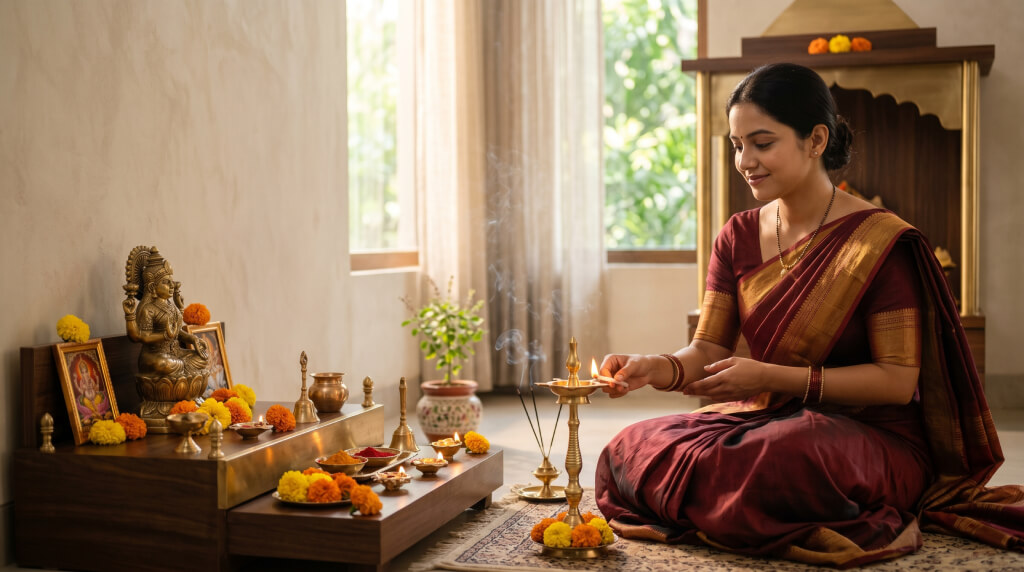
A clean prayer area is considered important before Vishnu pooja.
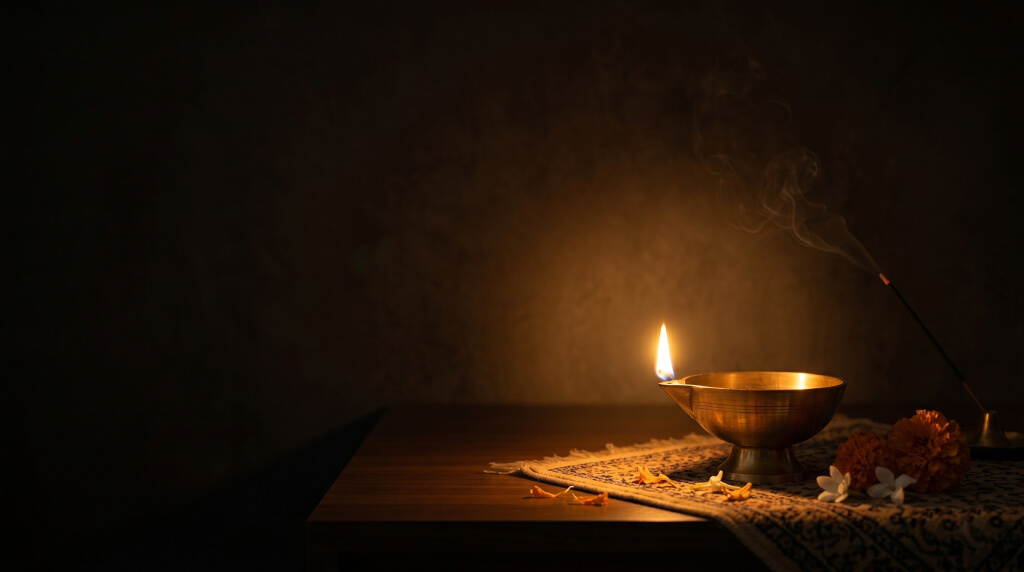
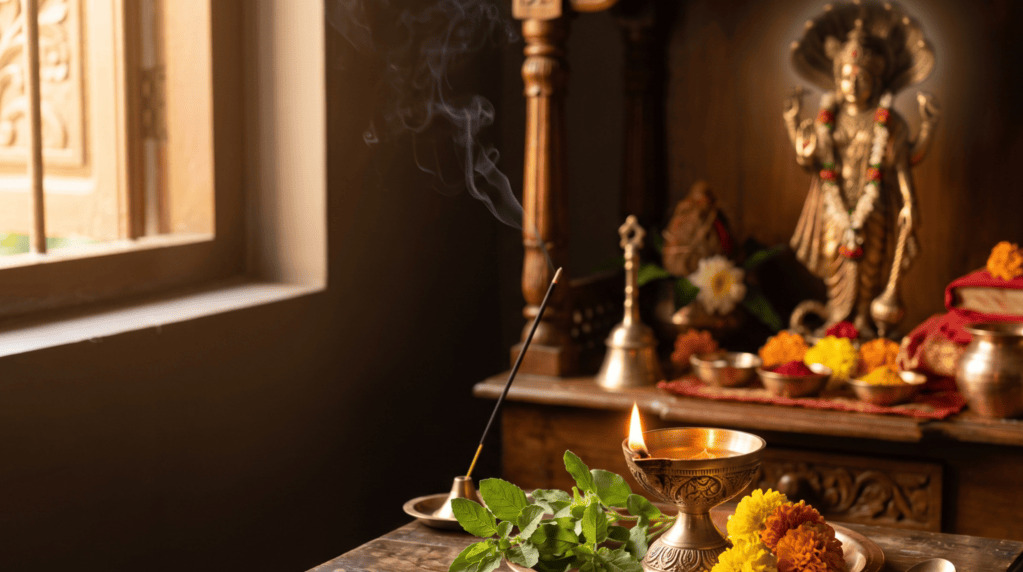
Many families light incense or a diya to create a peaceful atmosphere.
3. Offer Prayers to Lord Vishnu
Common offerings include:
- tulsi leaves
- flowers
- fruits
- sandalwood paste
- diya lighting
4. Avoid Grains and Rice
Traditional Ekadashi fasting usually avoids:
- rice
- wheat
- lentils
- certain grains
5. Chant Vishnu Mantras
Popular chants include:
- Om Namo Bhagavate Vasudevaya
- Vishnu Sahasranama
- Hare Rama Hare Krishna mantra
6. Maintain Simplicity
Many devotees spend more time in:
- prayer
- bhajans
- reading scriptures
- meditation
- silent reflection
Foods Allowed During Apara Ekadashi Fast
Food traditions vary across India, but these are commonly consumed during Ekadashi fasting.
| Allowed Foods | Commonly Avoided |
|---|---|
| Fruits | Rice |
| Milk | Wheat |
| Dry fruits | Lentils |
| Sabudana | Onion |
| Makhana | Garlic |
| Coconut water | Regular salt |
Many devotees also use rock salt during fasting meals.
A Simple Vishnu Pooja for Apara Ekadashi
A peaceful and sincere prayer routine is often preferred over elaborate rituals.
Simple Ekadashi Pooja Steps
- Clean the pooja area
- Light a diya
- Offer tulsi leaves to Vishnu
- Chant Vishnu mantras
- Read Vishnu Sahasranama or Bhagavad Gita verses
- Sit quietly in prayer for a few minutes
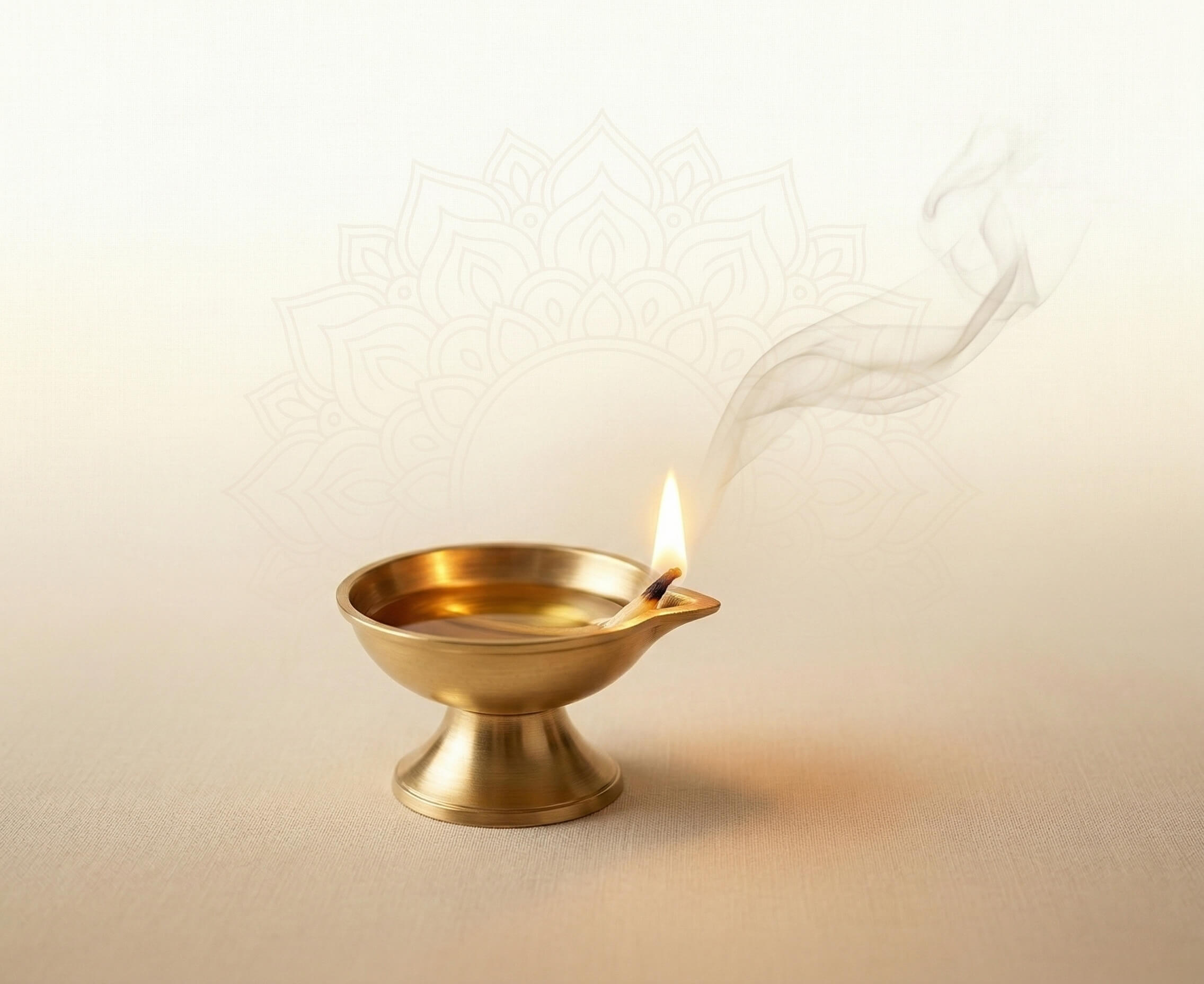
Many devotees prefer brass diyas during Ekadashi pooja because brass has traditionally been used in Hindu rituals for generations.
A softly lit diya during evening prayer often creates a calm and devotional atmosphere inside the home.
Benefits Associated With Apara Ekadashi
Devotees associate Apara Ekadashi with several spiritual and emotional benefits.
Spiritual Benefits
- stronger devotion towards Vishnu
- mindful living
- spiritual discipline
- gratitude and humility
Emotional Benefits
- mental calmness
- reduced distractions
- emotional balance
- peaceful routine
Lifestyle Benefits
From a practical perspective, fasting may also encourage:
- simpler eating habits
- reduced overconsumption
- conscious routines
- intentional living
Common Mistakes to Avoid During Ekadashi
Overeating Vrat Foods
Ekadashi traditionally emphasises simplicity.
Ignoring Hydration
Drink enough water unless observing nirjala fasting according to tradition.
Treating the Vrat as Only Food Restriction
Prayer, discipline, and mindfulness are considered equally important.
Creating Stress Around Rituals
Simple devotion is traditionally valued more than perfection.
Why Many Families Light a Diya During Ekadashi
Lighting a diya remains one of the most common Hindu spiritual practices.
Many devotees light a brass diya during morning and evening Vishnu prayers to:
- create a peaceful atmosphere
- symbolise positivity
- maintain a sacred routine
- encourage focus during prayer
Traditional brass pooja items continue to be widely used in Hindu homes because of their durability and spiritual significance in everyday rituals.
Frequently Asked Questions About Apara Ekadashi
Which god is worshipped on Apara Ekadashi?
Lord Vishnu is worshipped on Apara Ekadashi.
Is rice allowed during Ekadashi fasting?
Most Ekadashi traditions avoid rice and grains.
Can beginners observe Ekadashi vrat?
Yes. Many beginners start with simple fasting and prayer practices.
Can we drink tea during Ekadashi?
Some people consume milk tea during partial fasting, while others avoid it completely depending on family tradition.
What is the main purpose of Ekadashi fasting?
Ekadashi fasting is traditionally associated with devotion, discipline, simplicity, and spiritual reflection.
Final Thoughts
Apara Ekadashi is not only about avoiding certain foods for a day.
For many devotees, it is a reminder to slow down, pray sincerely, and reconnect with spiritual habits that bring peace and balance into daily life.
Even a simple Vishnu prayer, a quietly lit diya, and a few moments of mindfulness can make the day feel spiritually meaningful.
Across generations, Ekadashi continues to remain an important part of Hindu devotional practice and home rituals.